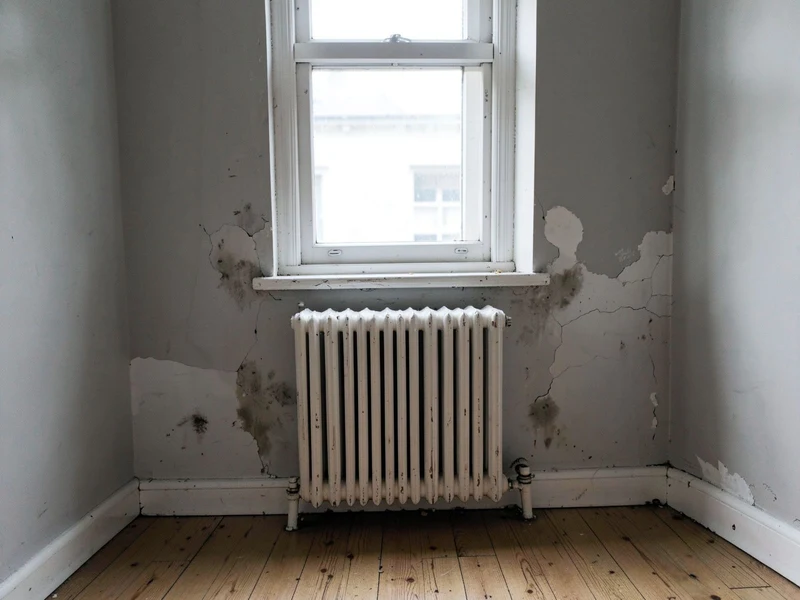
Damp and mould are the most common problem we see in rented homes, and the one that harms health most, especially for children and anyone with asthma.
What your landlord must do
Your landlord must keep the structure and exterior in repair, and the heating, hot water and drains working. They must not let the home become unfit to live in. Mould caused by a leak, a broken gutter or failed heating is their responsibility.
Social housing has time limits
If you rent from a council or housing association, your landlord must now investigate a reported damp and mould hazard within fixed time limits, and start the repair within a fixed time once it has found one.
Report it in writing
Email or write to your landlord, with photographs and dates. Keep a copy. A complaint by phone is easy to forget; an email is evidence.
When nothing happens
If the landlord does nothing after a reasonable time, you can bring a disrepair claim. The claim asks the court to order the repairs and pay compensation for the time you lived with them. Most landlords start the work once a solicitor’s letter arrives.
Don’t stop paying rent
Withholding rent puts your tenancy at risk. Keep paying, and let the claim do the work.